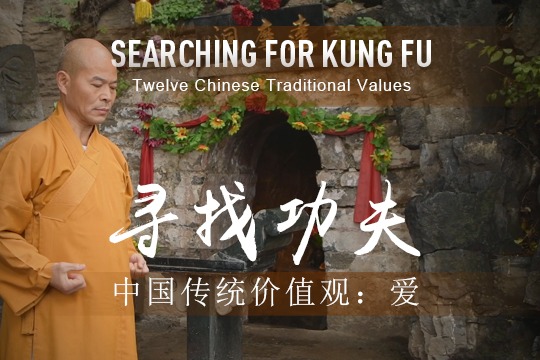
12 Traditional Chinese Values: Love
Introduction
The concept of "ai"(爱) or love is deeply rooted in Chinese culture and philosophy, representing a profound feeling of affection and care towards others. In the context of traditional Chinese values, love is not merely an emotion but a guiding principle that influences familial bonds, social harmony, and personal development. The exploration of love within Chinese culture extends beyond personal affection, encompassing a broader commitment to societal welfare and ethical conduct.
Historical Context
Throughout Chinese history, the notion of love has been ingrained in the social and familial structures that define the Chinese civilization. Historically, love was perceived not only as a personal sentiment but also as a societal virtue. In ancient texts, love was often tied to filial piety, a central Confucian value that emphasized respect and devotion within family relationships. This historical interpretation of love highlights its role in sustaining social order and promoting communal well-being. Over the centuries, love has continually evolved, reflecting the dynamic interplay between cultural traditions and philosophical thought in shaping Chinese society.
Philosophical Foundations
In Confucianism, love is closely associated with the concept of ren, or benevolence, which is considered the ultimate virtue. Confucian philosophy underscores the importance of love in maintaining familial and social harmony. It posits that genuine love should be expressed through actions that benefit others, fostering a sense of responsibility and moral duty. This love is not limited to romantic or familial relationships but extends to all human interactions, advocating for a compassionate and ethical society. Confucius himself emphasized that love should be guided by propriety and righteousness, ensuring that it contributes to the greater good.
Expression in Literature
Love has been a recurring theme in classical Chinese literature, reflecting its enduring significance in cultural and philosophical discourse. Ancient texts often explore the complexities of love through narratives that illustrate the tension between personal desires and societal expectations. Chinese poetry and folklore also offer a rich tapestry of expressions of love. Poets such as Li Bai and Du Fu have celebrated the emotional depth of love, using lyrical language to convey the intensity of human connections. Folklore, on the other hand, often presents love as a powerful force that transcends time and space, weaving tales of romance, loyalty, and sacrifice. These cultural narratives highlight the enduring appeal of love as a source of inspiration and contemplation.
Cultural Significance
In contemporary Chinese society, love continues to hold profound cultural significance, influencing social norms and personal values. It is regarded as a fundamental aspect of human existence, shaping relationships and guiding ethical behavior. The emphasis on love as a traditional Chinese value underscores its role in fostering harmony and cooperation within communities. This cultural appreciation for love is reflected in various social practices, from family rituals to community celebrations, illustrating its enduring relevance in modern life.








